
Official Website • Parliament of Malawi

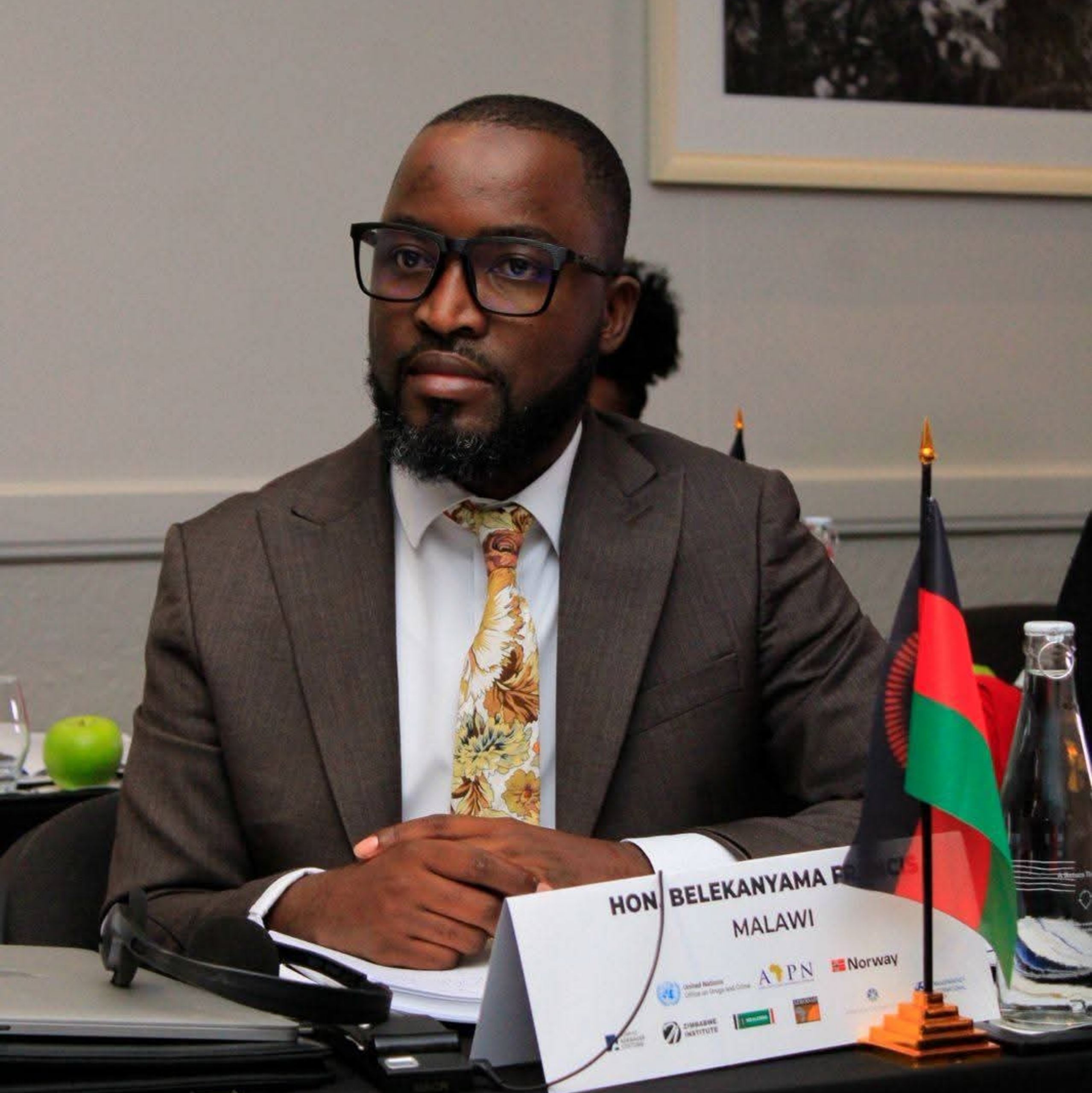
Hon. Francis Chikumbutso Belekanyama

Member of Parliament — Msinja South Constituency

Dedicated leadership focused on governance, policy advocacy, education, healthcare and sustainable development.

Biography

Leadership Rooted In Service

Francis Belekanyama

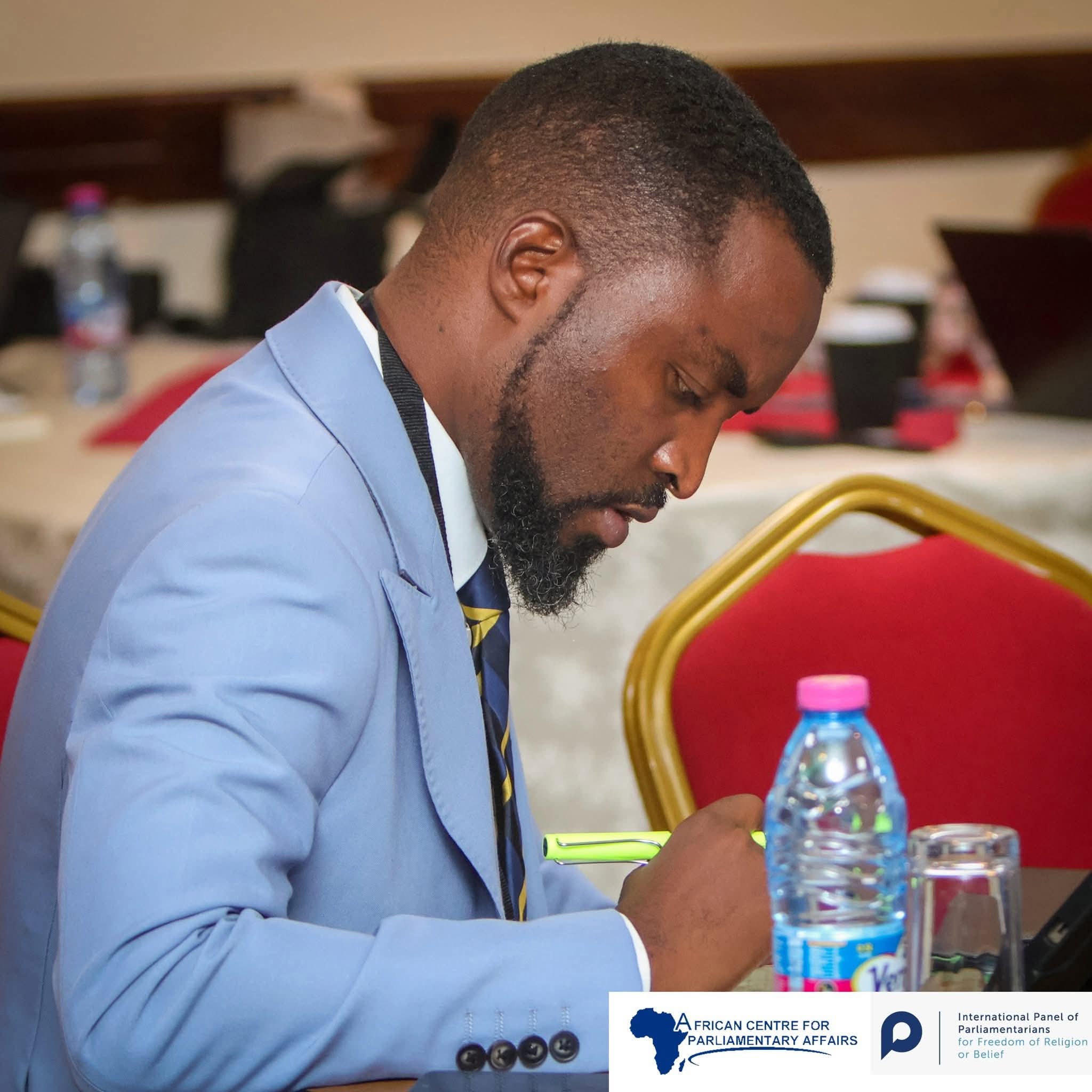
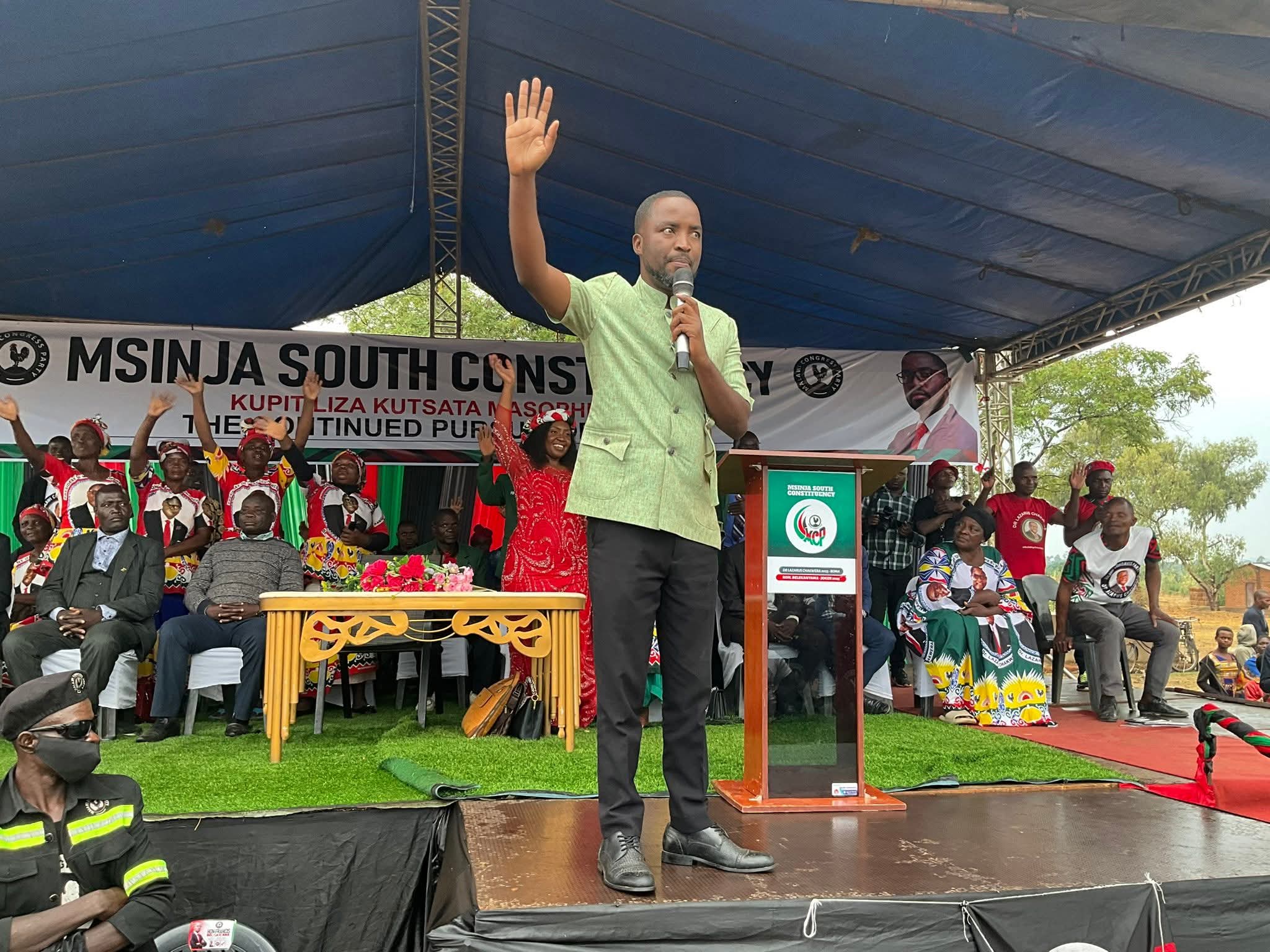
Francis Chikumbutso Belekanyama is a dedicated public servant and Member of Parliament serving Msinja South Constituency in Lilongwe, Malawi since 2021.


He has built a strong reputation in governance, legislative oversight, public policy development and community advocacy. His leadership reflects a commitment to accountability, transparency, evidence-based policymaking and inclusive development.


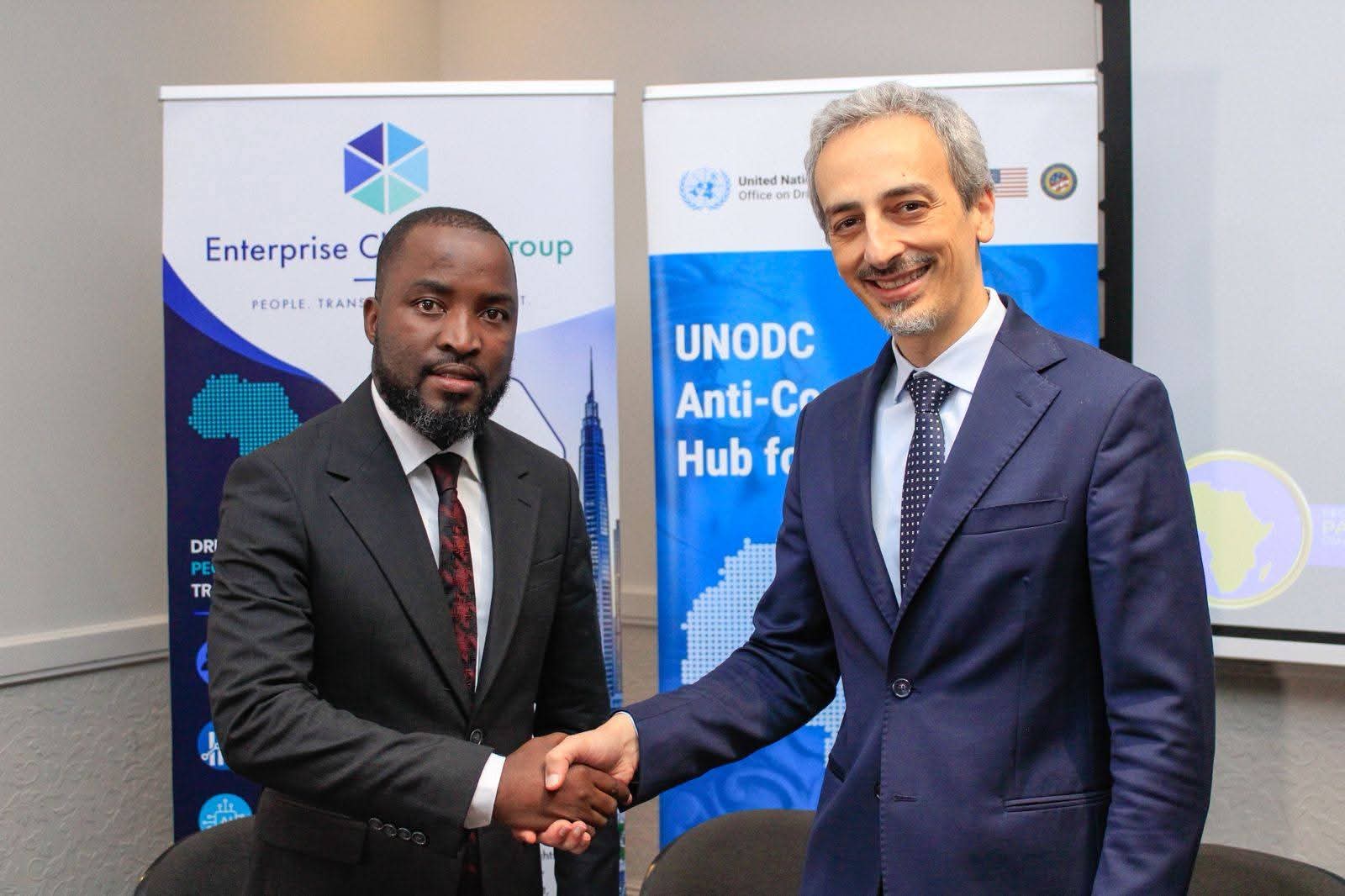
Beyond Parliament, Hon. Belekanyama contributes insightful articles to Daily Times and participates in international governance and parliamentary forums focused on leadership, diplomacy and sustainable development.

2021

Year Elected

57K+

Farmers Supported

314KM

Road Grading Target

33

Primary Schools

Development Projects

Community Transformation Initiatives

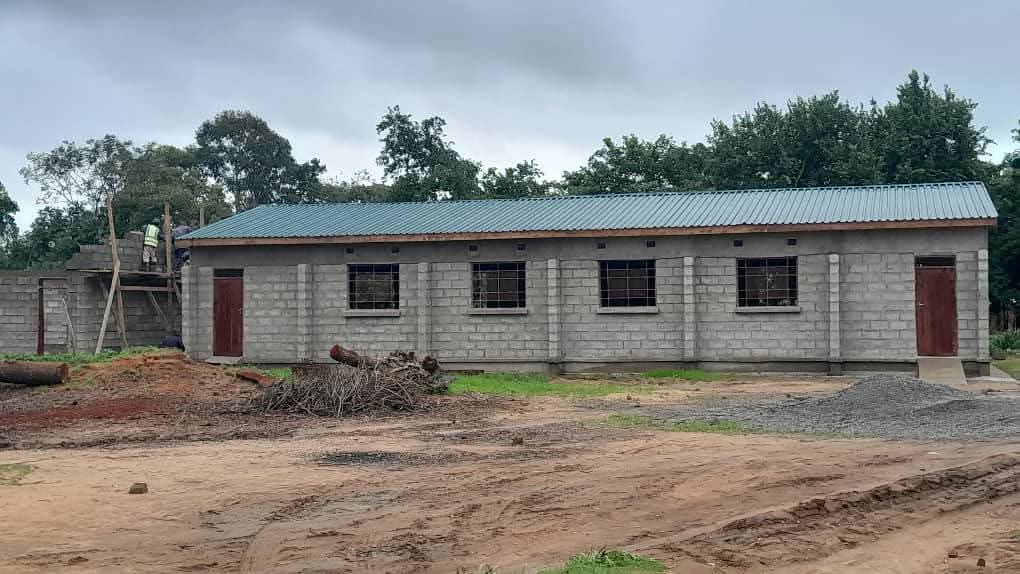
Magwero Primary School

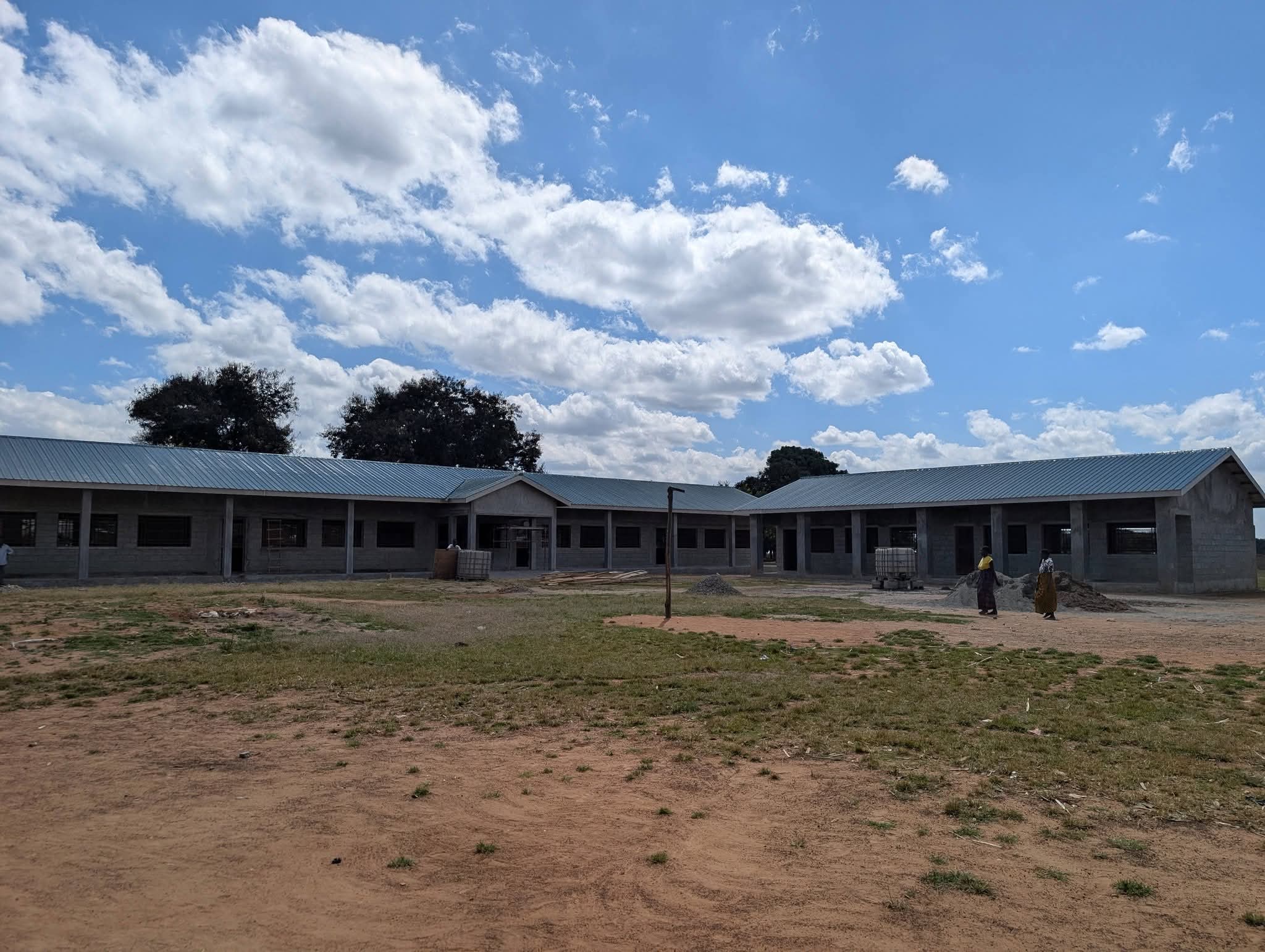
The Magwero Primary School infrastructure development initiative represents a major investment in improving educational access and learning conditions for children across rural communities within Msinja South Constituency. The project focuses on the construction of modern classroom blocks designed to reduce congestion, improve educational delivery and create a safer, more productive learning environment for students and teachers alike. For many years, overcrowded classrooms and inadequate learning infrastructure have negatively affected the quality of education in several rural schools. Through this project, communities are witnessing meaningful transformation aimed at strengthening academic performance, improving attendance and supporting long-term human capital development. The initiative also reflects a broader vision of investing in future generations through quality education, improved infrastructure and community-centered development planning. Education remains one of the strongest foundations for economic growth, leadersheaip development and national transformation.

Pingambuto Primary School

The development works at Pingambuto Primary School continue to strengthen education infrastructure through the construction of additional classroom blocks and teachers’ houses aimed at improving both learning and teaching conditions within the constituency. The project seeks to create a more conducive educational environment capable of supporting quality education delivery and long-term academic success. Teacher accommodation remains one of the major challenges affecting rural education systems. By improving housing infrastructure for teachers, the project contributes toward staff retention, educational continuity and improved learning outcomes for students. Better learning facilities also help reduce classroom congestion while supporting effective teaching and student participation. The initiative forms part of broader efforts to promote equal educational opportunities, community empowerment and sustainable social development through strategic investment in public infrastructure.

ADC Strategic Planning

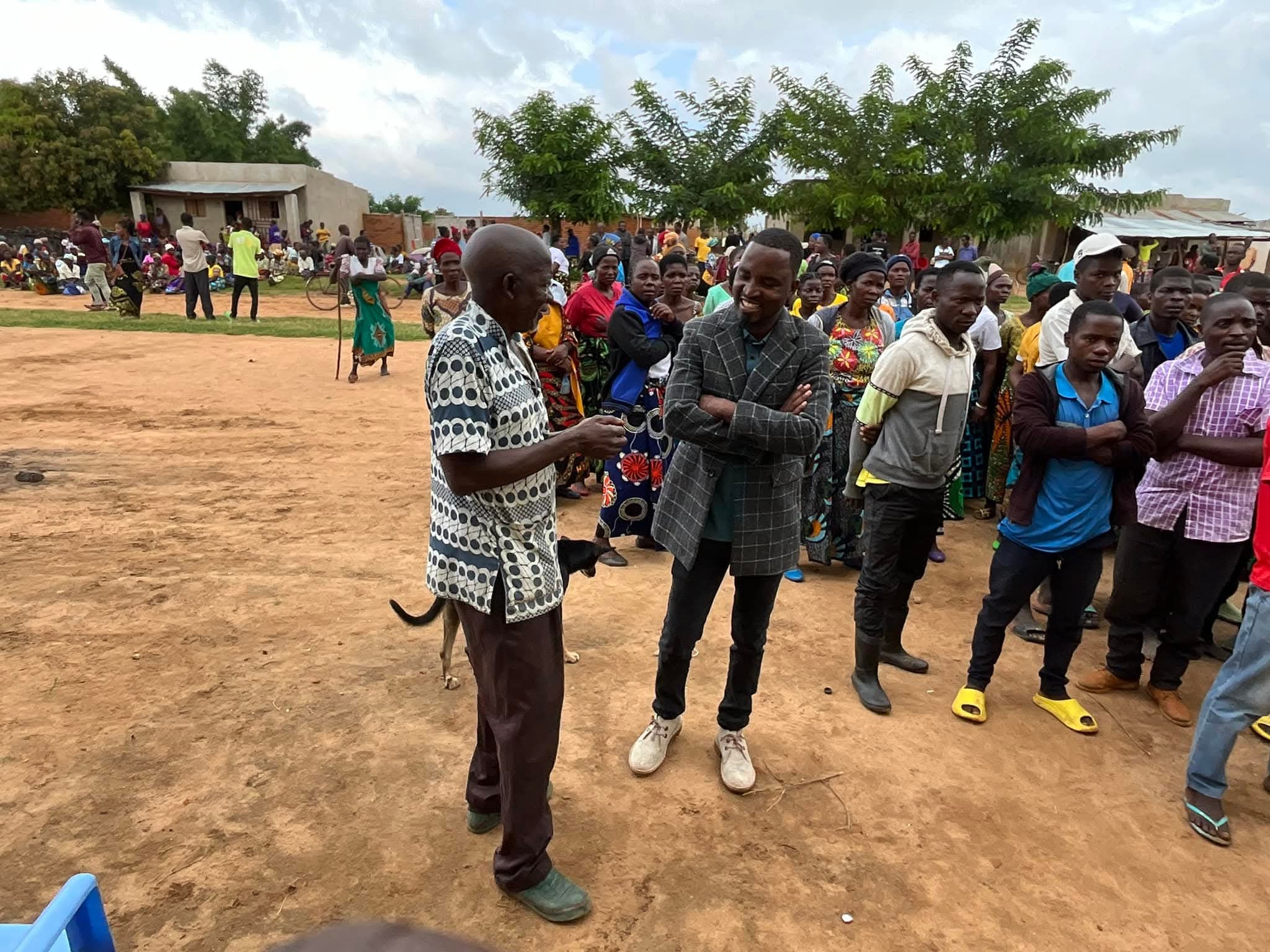
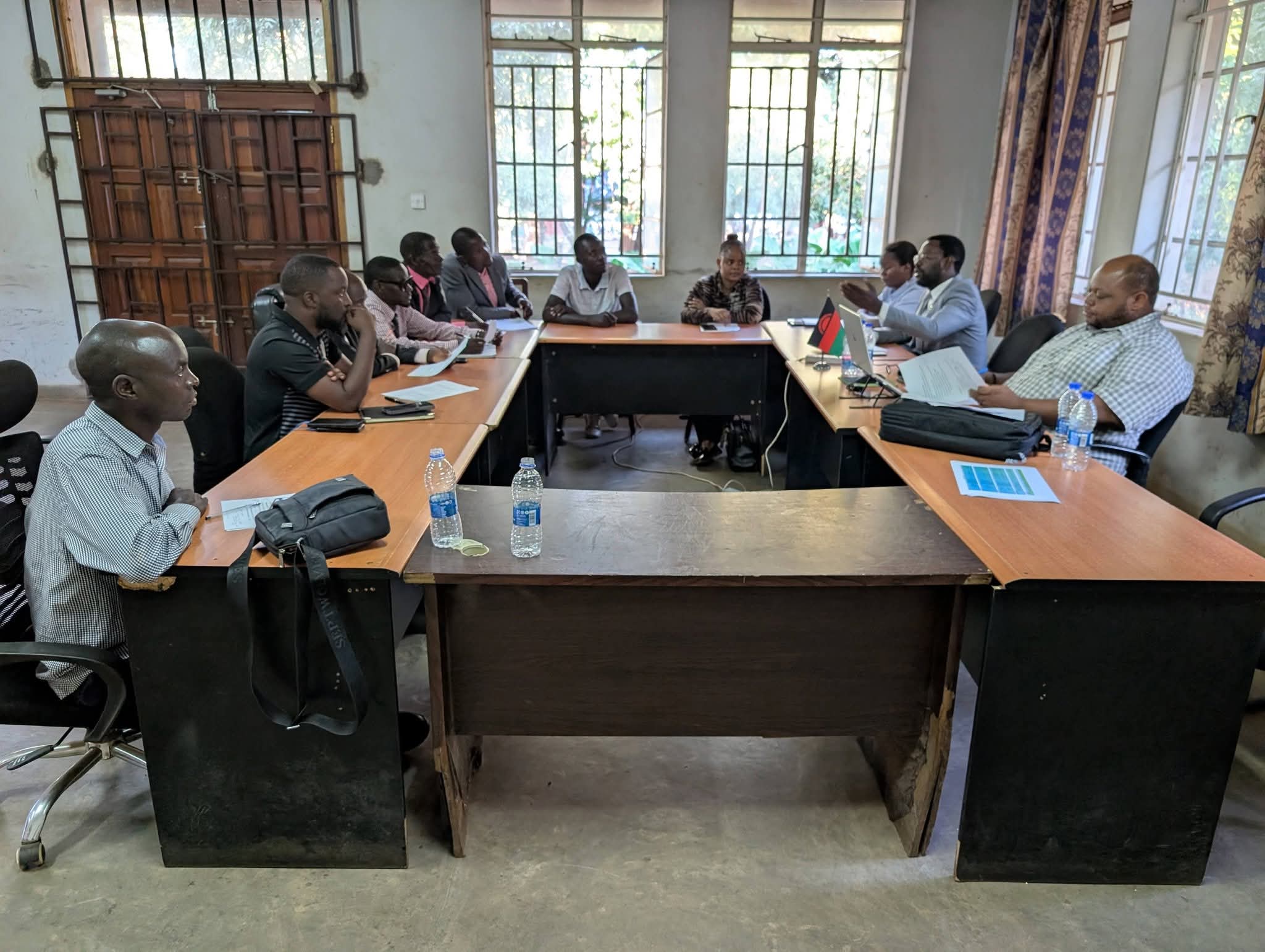
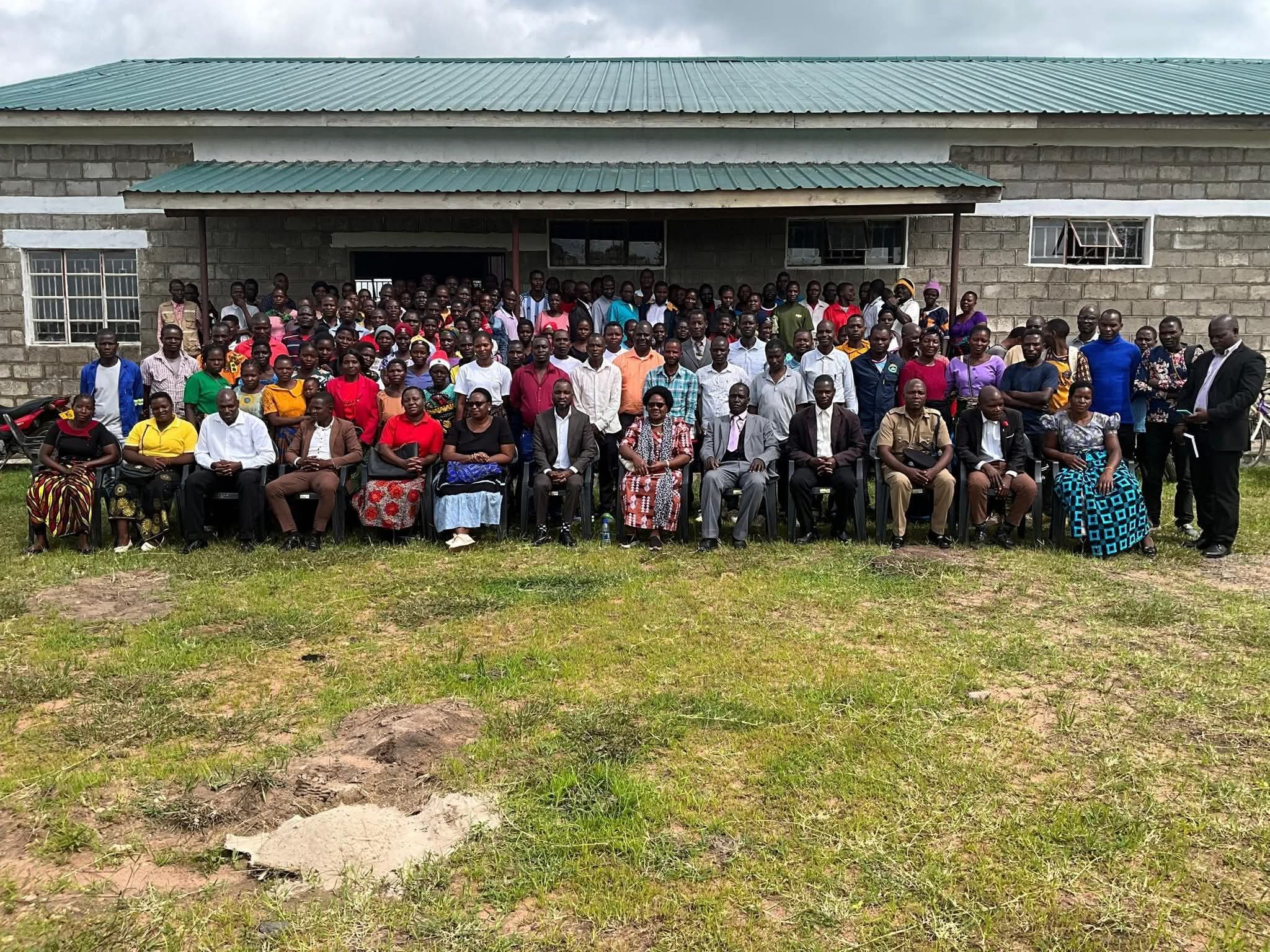
ADC strategic planning meetings continue to play an important role in strengthening participatory development, local governance and community-driven transformation across Msinja South Constituency. These planning engagements bring together local leadeaers, development committees, youth representatives, farmers and community stakeholders to discuss long-term priorities affecting agriculture, healthcare, education, irrigation, infrastructure and economic empowerment. The initiative promotes inclusive decision-making by ensuring communities actively contribute toward identifying development challenges and proposing practical solutions capable of improving livelihoods and economic resilience. Through collaborative planning, communities are able to align development priorities with local realities and sustainable growth strategies. The programme also supports accountability, transparency and grassroots participation within development processes while strengthening cooperation between leadership structures and local communities.

Community Sports & Unity

Community sports and cultural engagement programmes continue to serve as important platfoearms for youth empowerment, social cohesion and community unity across Msinja South Constituency. Football tournaments, youth activities and cultural gatherings help create opportunities for positive engagement, leadership development and talent identification among young people. Sports remain a powerful tool for promoting discipline, teamwork, healthy lifestyles and peaceful community interaction. Through these initiatives, young people are encouraged to participate in constructive activities that strengthen social responsibility, confidence and community participation. Beyond recreation, sports development contributes toward reducing social exclusion while creating stronger relationships between communities, local leadership and youth structures. The programme reflects a broader commitment to empowering young people through inclusive development opportunities and community-centered leadership.

Food Security Programme

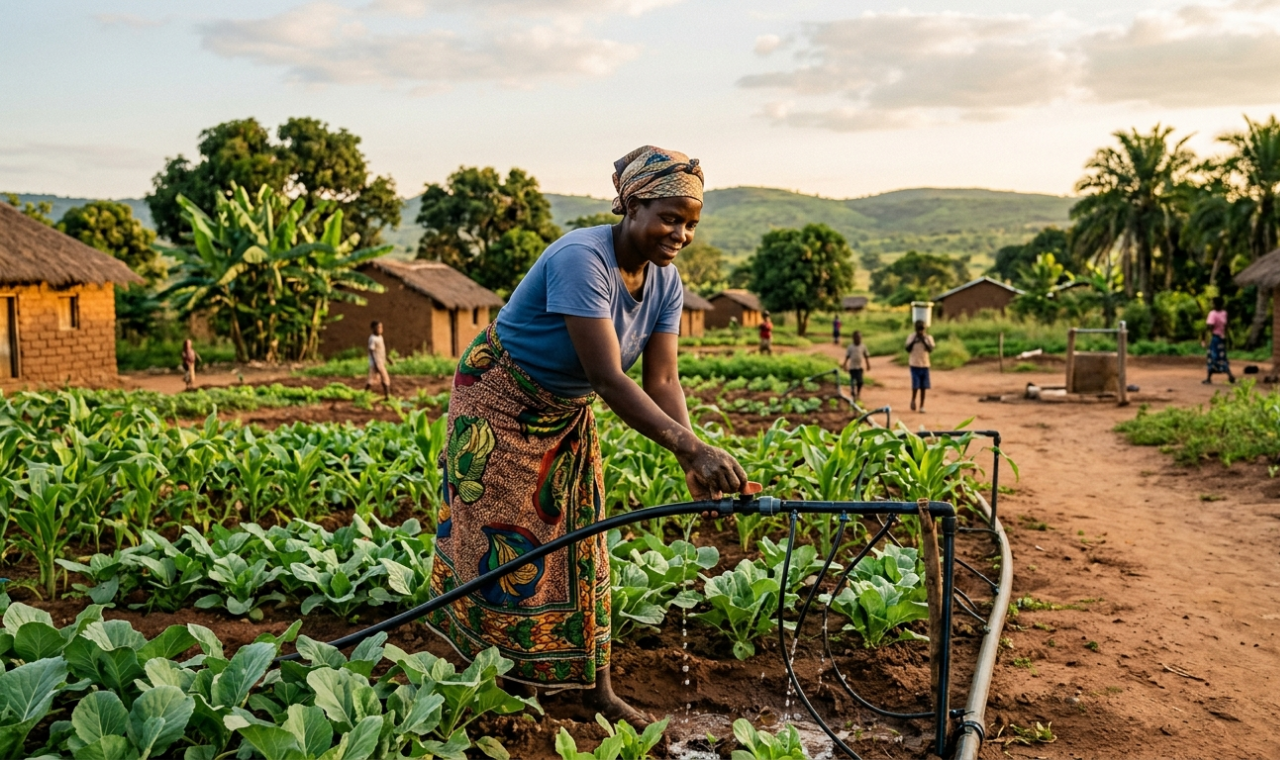
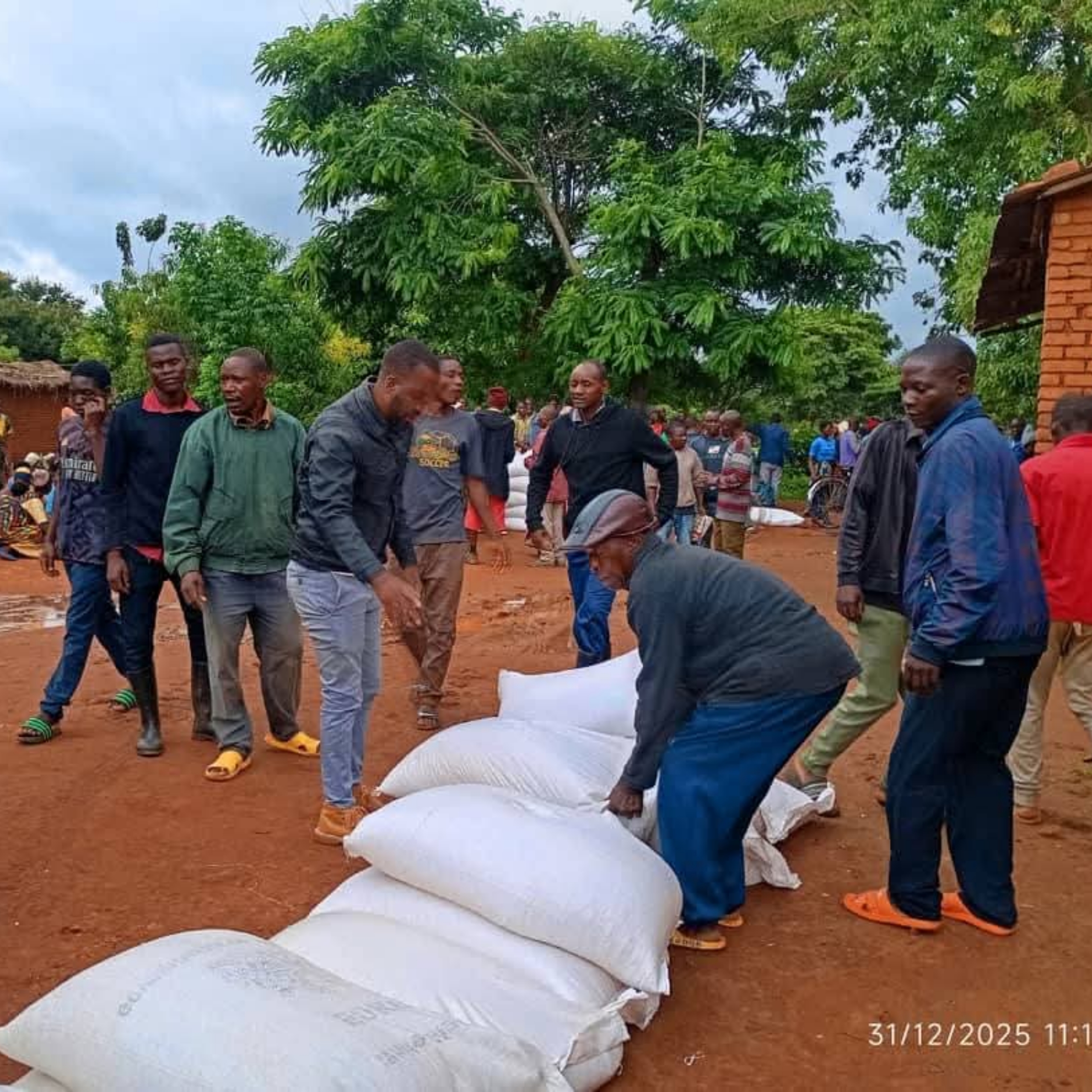
The Food Security Programme continues to provide critical support to vulnerable households through community relief initiatives, agricultural support systems and maize distribution programmes coordinated under DODMA interventions. The initiative aims to strengthen household resilience, reduce food insecurity and support communities affected by economic and climatic challenges. Food security remains one of the most important development priorities across many rural communities where livelihoods largely depend on agriculture and seasonal farming activities. Through targeted support programmes, vulnerable families receive assistance that helps reduce the effects of hunger and economic hardship. Long-term strategies linked to the programme continue focusing on irrigation farming, agricultural productivity, climate resilience and sustainable farming practices aimed at strengthening local food systems and promoting community self-reliance.

Road Infrastructure

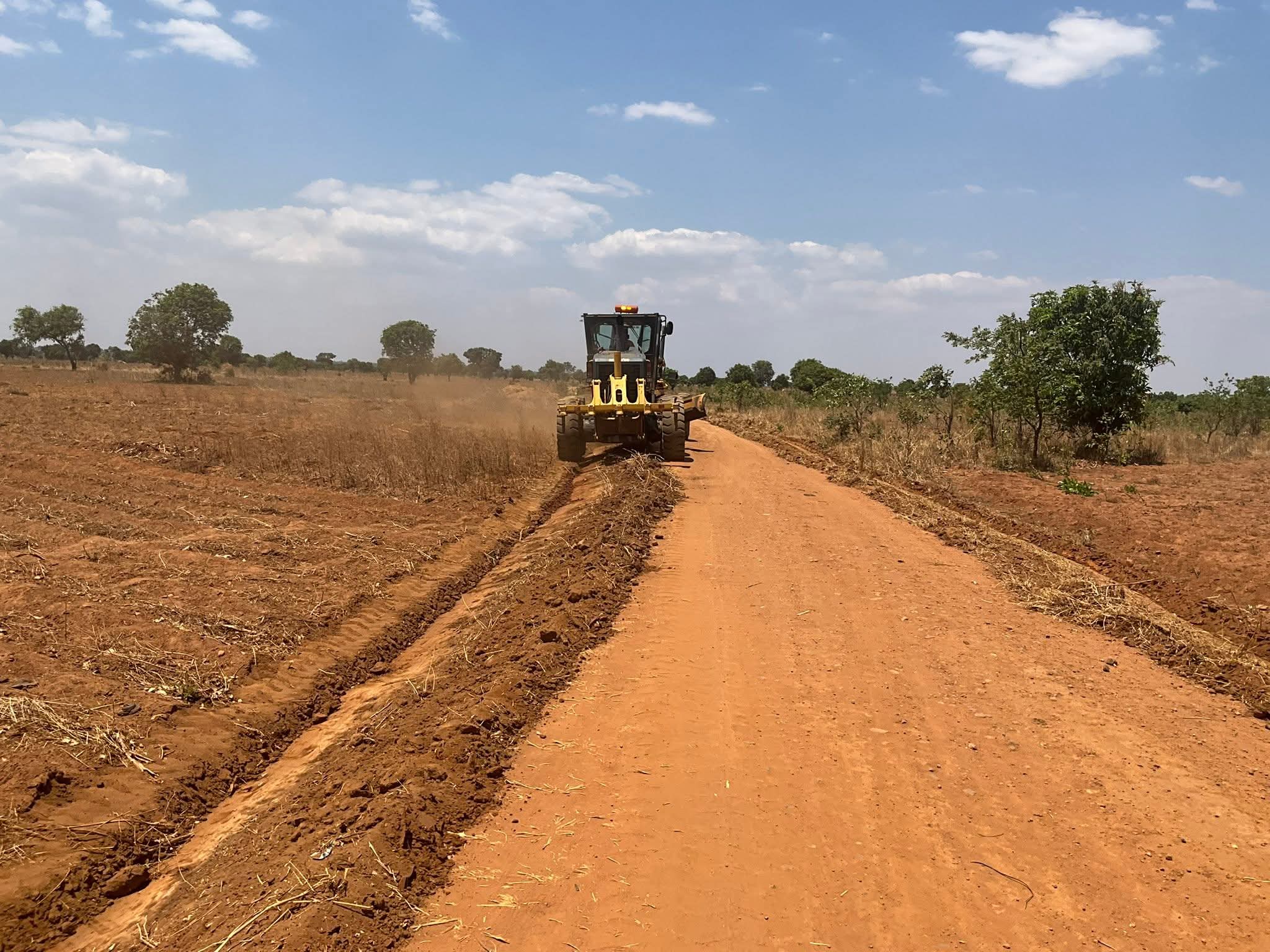
The road infrastructure improvement programme represents one of the largest strategic connectivity initiatives within Msinja South Constituency, targeting the grading and rehabilitation of more than 314 kilometers of roads aimed at improving mobility, trade access and service delivery across rural communities. Reliable road infrastructure plays a critical role in economic development because it improves transportation efficiency, strengthens market access and enhances access to healthcare, education and agricultural opportunities. Poor road networks often limit productivity and isolate communities from essential services and economic opportunities. The programme seeks to strengthen rural connectivity while supporting farmers, businesses, schools and healthcare facilities through improved transportation systems capable of promoting inclusive economic growth and sustainable community development.

Parliamentary Leadership

Committees & Areas Of Expertise

Budget & Finance Committee

The Budget and Finance Committee plays a central role in promoting fiscal discipline, public accountability and transparent governance within national development processes. The committee examines national budget allocations, monitors government expenditure and evaluates financial policies aimed at ensuring responsible management of public resources. Its oversight responsibilities contribute toward strengthening economic stability, improving service delivery and enhancing public confidence in governance institutions. Effective financial oversight remains essential for sustainable national development and long-term economic growth.

Health & HIV Committee

The Health and HIV Committee focuses on strengthening healthcare systems, public health policy oversight and national responses to healthcare challenges affecting communities across Malawi. The committee contributes toward policy discussions linked to healthcare access, disease prevention, HIV response strategies and improvement of public health services. Its work supports efforts aimed at strengthening healthcare infrastructure, promoting equitable healthcare access and improving health outcomes through accountable and evidence-based policymaking.

Legal Affairs Committee

The Legal Affairs Committee contributes toward legislative review, governance reforms and strengthening constitutional accountability within public institutions. The committee examines proposed legislation, governance frameworks and legal reforms aimed at improving institutional effectiveness and democratic governance. Its role remains important in promoting justice, transparency, rule of law and responsible governance systems capable of supporting national stability and institutional integrity.

Local Authority Committee

The Local Authority Committee focuses on decentralization, local governance oversight and strengthening rural development structures across communities. The committee supports policies aimed at improving service delivery, local administration and participatory governance at community level. Its work promotes stronger coordination between national leadership and local institutions while supporting inclusive development and community empowerment initiatives.

Trade & Tourism Committee

Promotion of trade competitiveness, economic development and tourism growth.

Areas Of Expertise

Areas of expertise include governance, legislative oversight, public policy analysis, economic development, strategic planning and community transformation. Leadership priorities continue focusing on evidence-based policymaking, institutional accountability, sustainable development and inclusive growth. Additional areas of focus include youth empowerment, education development, healthcare systems strengthening, infrastructure planning and science-driven leadership approaches aimed at promoting national progress and community resilience.

Parliament Contributions

Debates, Motions & Parliamentary Contributions

May 2026

Youth Representation

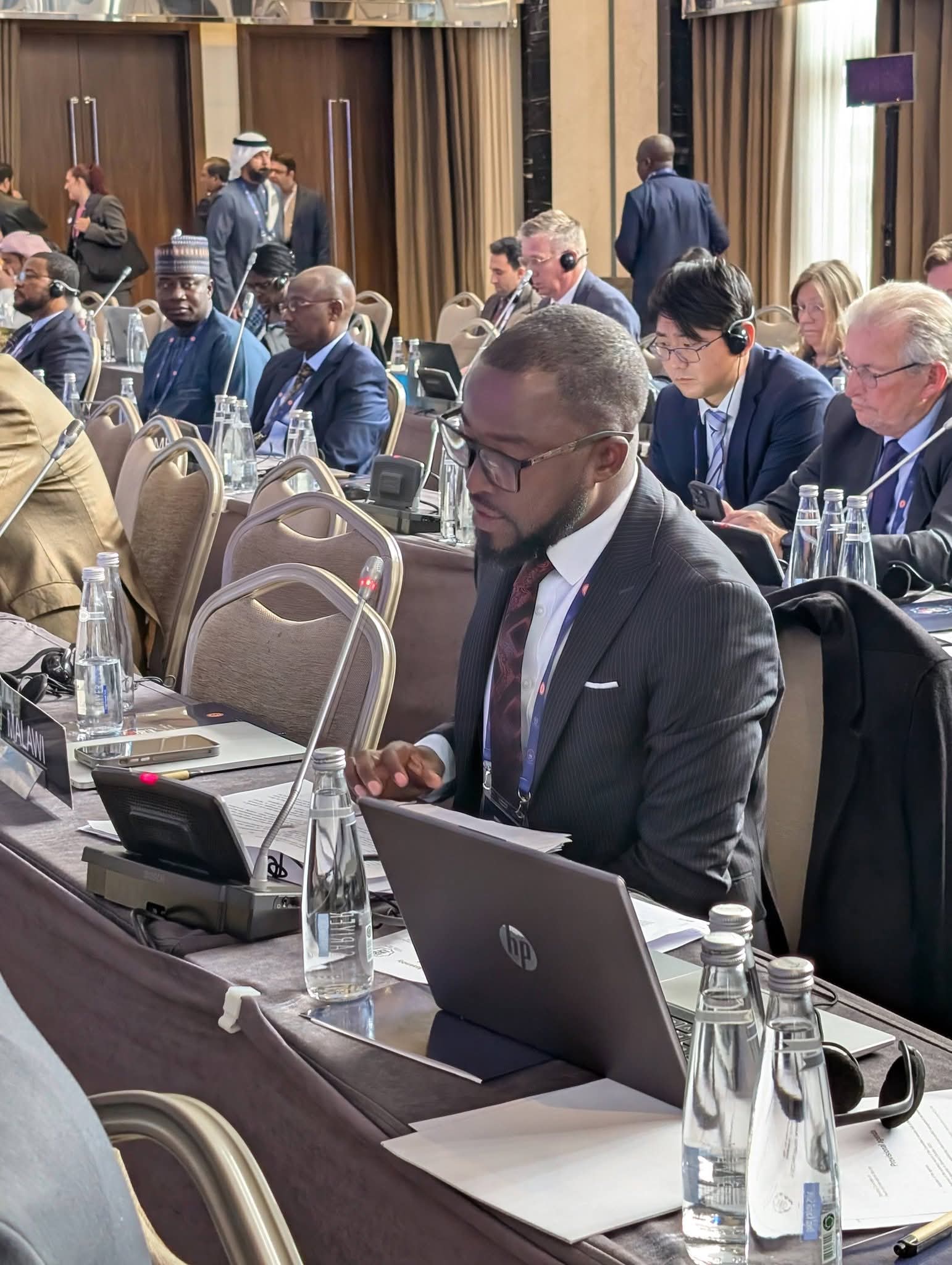
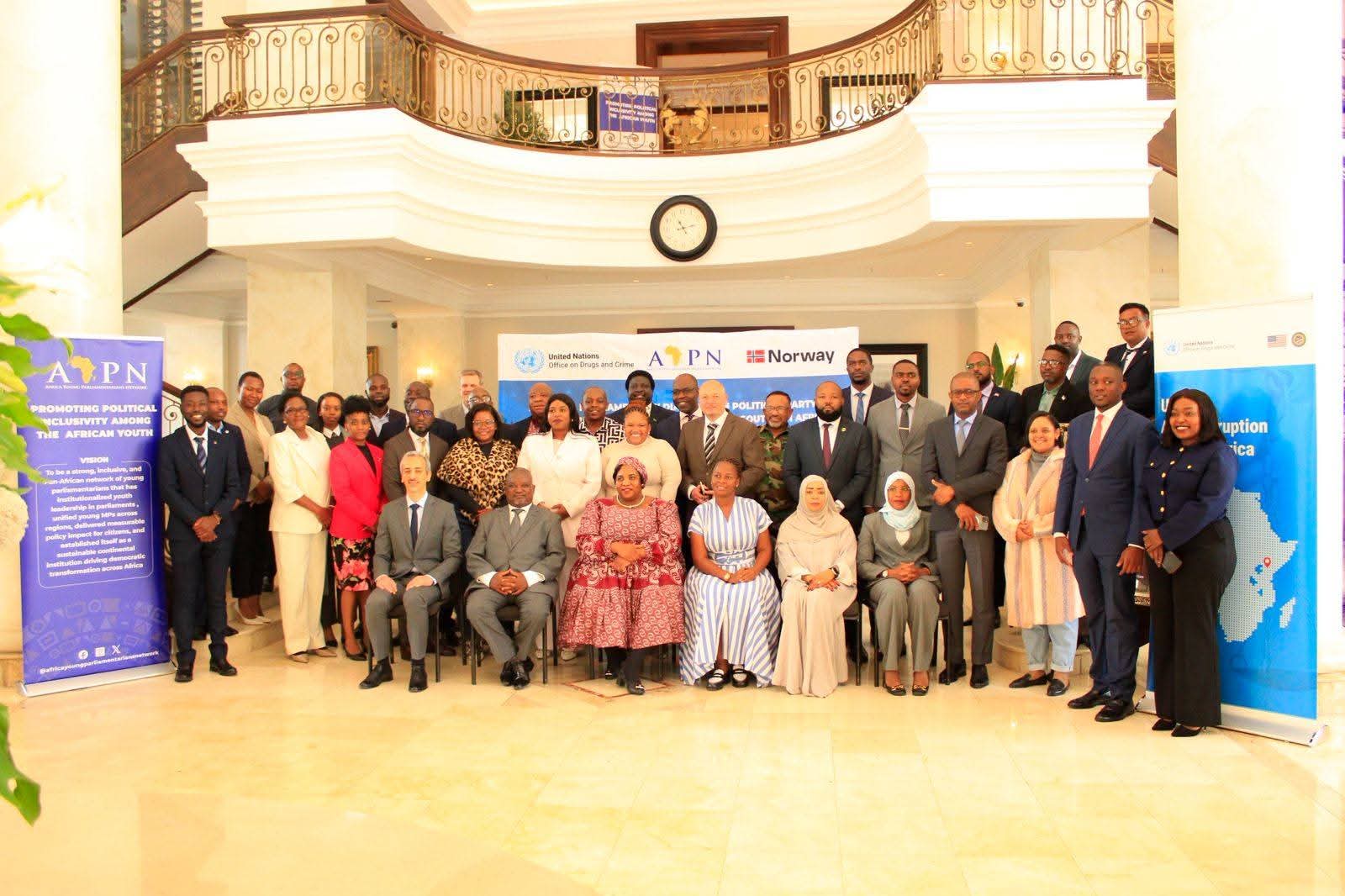
MP Francis Belekanyama highlights rising youth participation in politics at the IPU Assembly, calling for greater representation, economic reform, and hope-driven leadership for future generations..

April 2026

Youth Financing

Hon.Francis Belekanyama, emphasis on youth financing bill.

March 2026

SONA

Contribution on SONA strengthening, service delivery and community welfare initiatives.

March 2026

Public -Private Partnership and Bill No 17 of Land amendment Bills,2022.

During the 49th session :5 th meeting ,government brought to the parliament, Bill No. 19 of 2022 :Public -Private Partnership and Bill No 17 of Land amendment Bills,2022. The people of Msinja South made suggestions to some of the amendments.

March 2026

Public -Private Partnership and Bill No 17 of Land amendment Bills,2022.

During the 49th session :5 th meeting ,government brought to the parliament, Bill No. 19 of 2022 :Public -Private Partnership and Bill No 17 of Land amendment Bills,2022. The people of Msinja South made suggestions to some of the amendments.

March 2026

Community

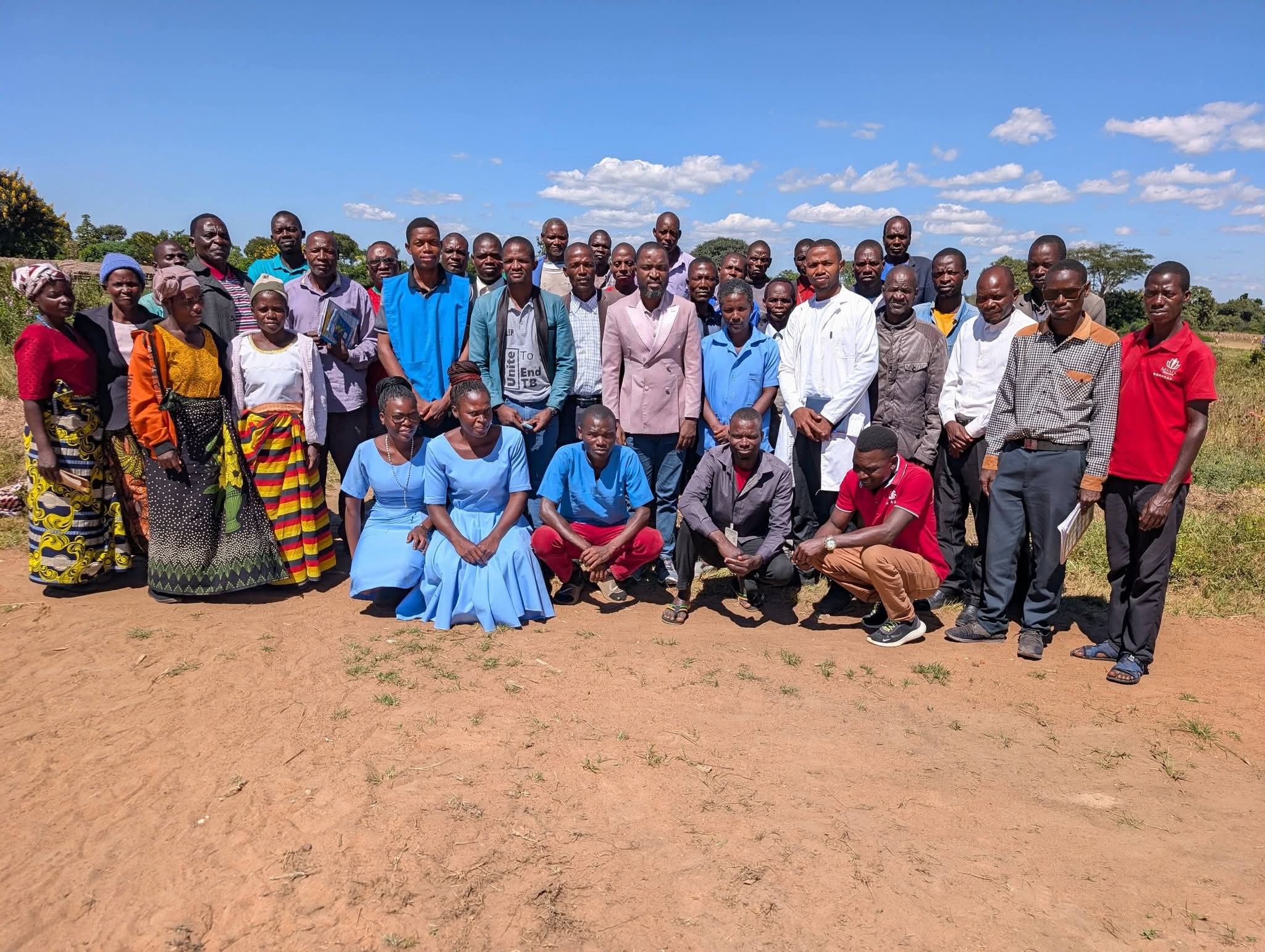
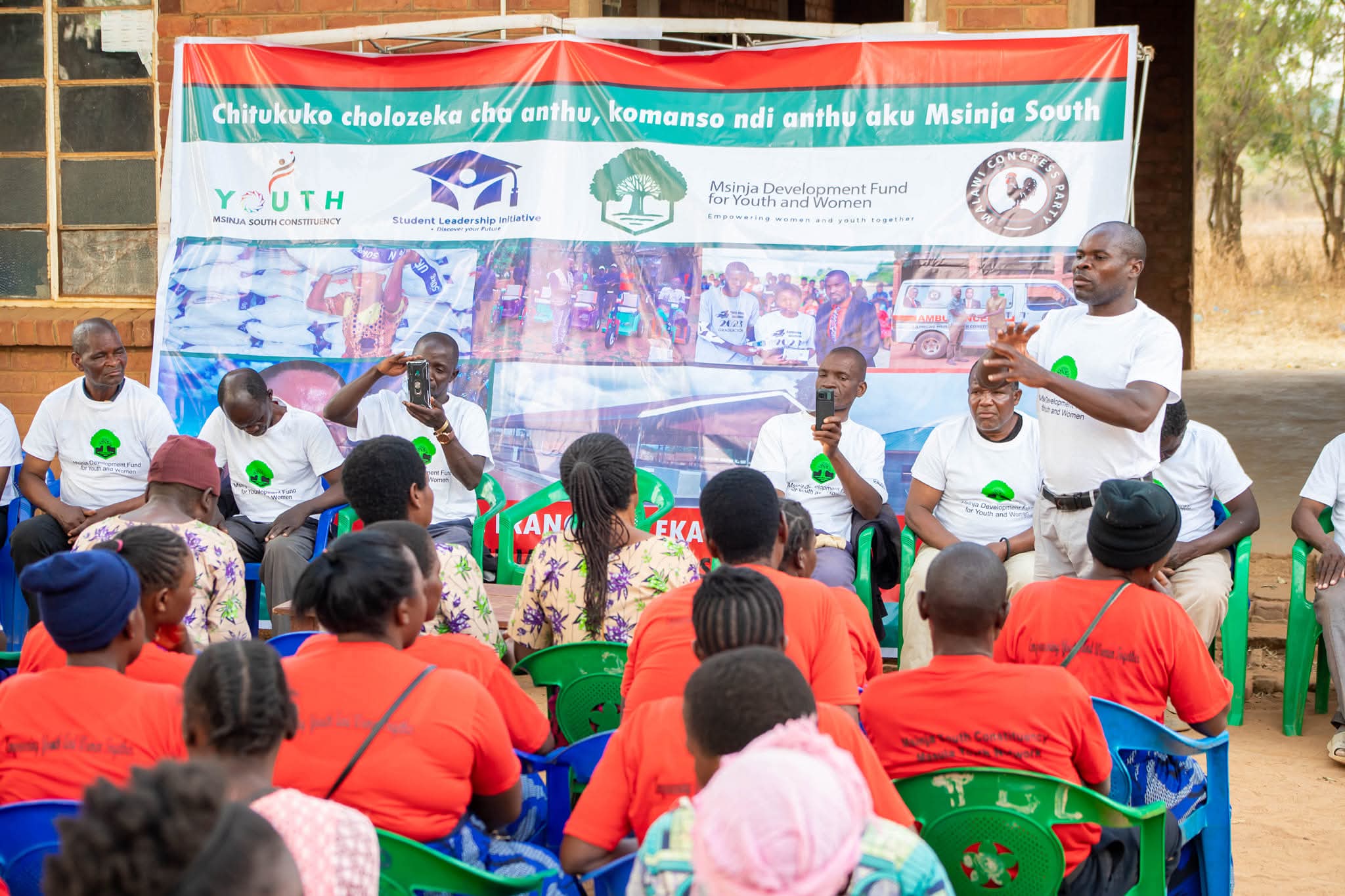
Engaging directly with communities provides an opportunity to listen, learn and respond to the needs of the people. These interactions strengthen participatory governance, promote accountability and help shape development initiatives that address real community priorities.

Official Blog

Leadership Stories & Development Insights

Education Development
May 2026

Building Better Learning Environments For Rural Students

Education remains one of the strongest pillars for sustainable national development and community transformation.

Read More

Across many rural communities in Malawi, access to quality education continues to face major challenges linked to infrastructure, overcrowding and limited learning resources.

The ongoing construction of classroom blocks at Magwero Primary School represents more than a physical infrastructure project.

Improving school infrastructure is essential because the learning environment directly influences educational outcomes.

Education equips young people with knowledge, confidence and life skills that contribute to economic growth and responsible citizenship.
Road Infrastructure
April 2026

Why Rural Road Infrastructure Matters For Development

Infrastructure development continues to shape economic opportunities and social progress across rural communities.

Read More

Road infrastructure plays a fundamental role in connecting communities, supporting economic growth and improving access to essential public services.

The road grading programme targeting over 314 kilometers across Msinja South represents a strategic effort to improve mobility.

Improved roads reduce transportation costs, improve trade and strengthen local economies.

Food Security
March 2026

Strengthening Food Security For Vulnerable Families

Food security initiatives continue to support vulnerable households across communities.

Read More

Food security remains one of the most important development priorities affecting many communities across Malawi.

Community support initiatives and maize distribution programmes have helped vulnerable households manage periods of food shortages.

Long-term development efforts continue focusing on irrigation farming and agricultural productivity.

Sports and Youth
February 2026

Sports, Youth Empowerment And Community Unity

Sports continue to create unity and positive youth engagement across communities.

Read More

Community sports activities continue to play an important role in promoting unity and youth engagement.

Football tournaments and cultural events provide opportunities for leadership and teamwork.

The Trade and Tourism Committee supports policies aimed at strengthening economic competitiveness, investment growth, tourism development and private sector participation within the national economy. The committee examines strategies designed to improve trade opportunities, economic diversification and sustainable tourism growth. Its oversight role contributes toward job creation, economic resilience and long-term national development through strategic economic policy engagement.

Youth Entrepreneurship
January 2026

Empowering Young Entrepreneurs Through Skills And Innovation

Youth empowerment remains one of the most important pillars for sustainable economic growth and national transformation.

Read More

Across many developing communities, young people continue facing challenges linked to unemployment, limited business opportunities and restricted access to capital. Economic empowerment initiatives focused on entrepreneurship, innovation and vocational skills development remain critical in addressing these challenges while strengthening community resilience and productivity.

Supporting youth entrepreneurship goes beyond providing financial assistance. It involves creating an environment where young people can access mentorship, business training, technology, markets and leadership opportunities capable of helping them transform ideas into sustainable enterprises.

Communities become stronger when young people actively participate in economic activities capable of generating employment, improving household income and supporting local development. Entrepreneurship also promotes creativity, confidence and long-term self-reliance among youth populations.

Development programmes linked to youth empowerment continue emphasizing agriculture entrepreneurship, digital innovation, vocational training and small business support aimed at creating practical economic opportunities capable of strengthening livelihoods and reducing poverty.

A strong economy requires active participation from young people because they represent one of the largest and most energetic segments of the population. Empowering youth through education, innovation and economic inclusion contributes toward long-term national progress and social stability.

Healthcare Access
December 2025

Strengthening Rural Healthcare Access For Communities

Access to quality healthcare remains one of the most important foundations for resilient and productive communities.

Read More

Healthcare systems play a critical role in protecting communities, improving productivity and strengthening national development outcomes. Across many rural communities, however, healthcare access continues to face major challenges connected to infrastructure limitations, shortage of medical personnel and inadequate health resources.

Strengthening rural healthcare requires strategic investment in clinics, medical equipment, healthcare staffing and public health awareness initiatives capable of improving service delivery and disease prevention. Communities benefit significantly when healthcare services become accessible, reliable and responsive to local needs.

Public health development also contributes toward economic stability because healthier populations are more productive, resilient and capable of participating fully in education, agriculture and business activities.

Healthcare priorities continue focusing on maternal health, child nutrition, HIV response systems, disease prevention and improved access to essential medicines across vulnerable communities. Strengthening healthcare systems requires cooperation between government institutions, healthcare professionals and local communities.

Sustainable healthcare development remains essential for building resilient communities capable of supporting long-term social and economic transformation.

Irrigation Farming
November 2025

Irrigation Farming And The Future Of Food Sustainability

Agriculture remains the backbone of many rural economies and a key driver of food security and economic stability.

Read More

Climate change, unpredictable rainfall patterns and economic pressures continue affecting agricultural productivity across many farming communities. Irrigation farming therefore remains one of the most important long-term strategies for strengthening food security, increasing productivity and improving household resilience.

Modern irrigation systems help farmers maintain agricultural production throughout different seasons while reducing dependency on rainfall alone. Increased productivity contributes toward stable food supplies, improved income generation and stronger local economies.

Agricultural development also supports employment creation, poverty reduction and rural transformation because farming remains one of the largest economic sectors supporting households across Malawi.

Future-focused agricultural strategies continue emphasizing sustainable farming methods, irrigation expansion, climate resilience and farmer empowerment through access to markets, agricultural knowledge and improved farming technologies.

Strengthening agriculture remains essential for promoting inclusive economic growth, national food security and long-term community development.

Women Empowerment
October 2025

Women Empowerment As A Foundation For Community Progress

Empowering women continues to play a transformative role in strengthening families, communities and national development.

Read More

Women contribute significantly toward economic development, education, healthcare and social stability within communities. Strengthening women empowerment initiatives therefore remains essential for inclusive development and sustainable progress.

Access to education, entrepreneurship opportunities, healthcare services and leadership participation helps women contribute more effectively toward household welfare and community transformation. Communities become stronger when women actively participate in governance, business and development initiatives.

Development strategies linked to women empowerment continue emphasizing financial inclusion, vocational training, maternal healthcare, education access and leadership opportunities aimed at reducing inequality and strengthening social participation.

Supporting women empowerment also contributes toward poverty reduction, child welfare improvement and stronger economic resilience because empowered women often reinvest resources directly into family development and community wellbeing.

Inclusive development requires equal participation and opportunity for all citizens regardless of gender, background or economic status.

Governance
September 2025

Why Transparency And Accountability Matter In Leadership

Strong governance systems depend on transparency, accountability and responsible public leadership.

Read More

Public trust remains one of the most important foundations of democratic governance and sustainable development. Communities expect leadership systems capable of promoting transparency, accountability and responsible decision-making within public institutions.

Accountable governance strengthens confidence in public institutions while improving service delivery, resource management and policy implementation. Leadership built on integrity and openness contributes toward social stability and long-term national progress.

Effective governance also requires active citizen participation, institutional oversight and evidence-based policymaking capable of responding to the needs of communities. Transparent systems encourage responsible management of public resources while reducing inefficiency and corruption risks.

Democratic institutions become stronger when governance processes remain inclusive, accountable and responsive to public interests. Sustainable development depends heavily on leadership systems capable of balancing economic growth, social welfare and institutional integrity.

The continued promotion of accountable governance remains essential for strengthening democracy, protecting public trust and supporting national transformation.

Digital Innovation
August 2025

Digital Innovation And The Future Of Community Development

Technology and digital innovation continue reshaping economies, education systems and governance across the modern world.

Read More

Digital transformation continues influencing how communities learn, communicate, conduct business and access public services. Expanding digital opportunities therefore remains important for economic competitiveness, education development and national modernization.

Technology creates opportunities for innovation, entrepreneurship and improved service delivery while helping communities access information, markets and educational resources more efficiently. Digital inclusion also contributes toward stronger youth participation within economic and governance systems.

Modern development strategies increasingly emphasize technology integration within agriculture, healthcare, education and public administration as part of broader efforts to improve productivity and strengthen economic resilience.

Young people continue playing a major role in digital transformation because innovation-driven economies depend heavily on creativity, technological adaptation and knowledge-based industries. Investing in digital skills development therefore contributes toward future economic growth and employment creation.

The future of sustainable development will increasingly depend on innovation, technology adoption and inclusive digital transformation capable of benefiting communities across both urban and rural areas.

Published Articles

Newspaper Features & Opinion Articles

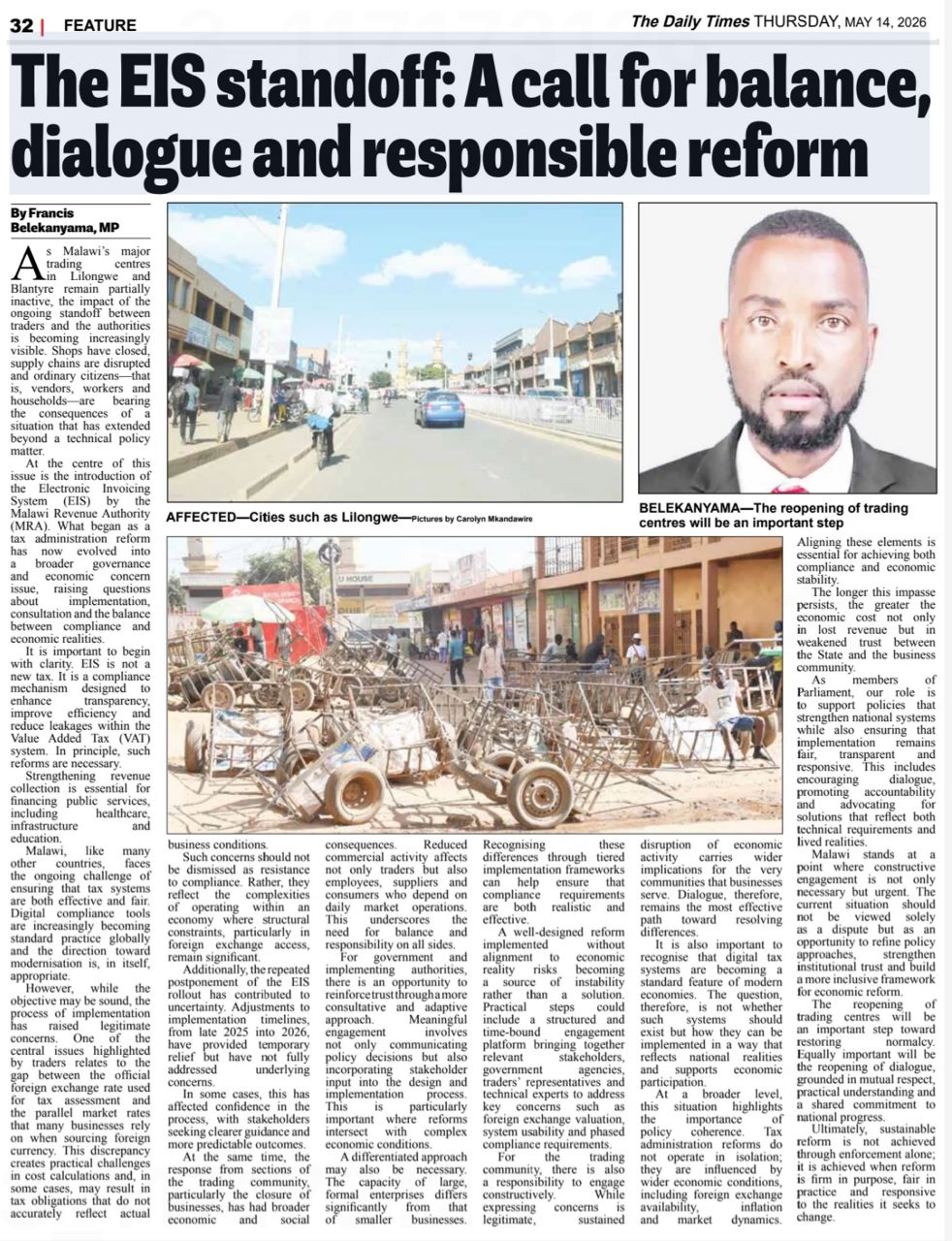
EIS Standoff Article
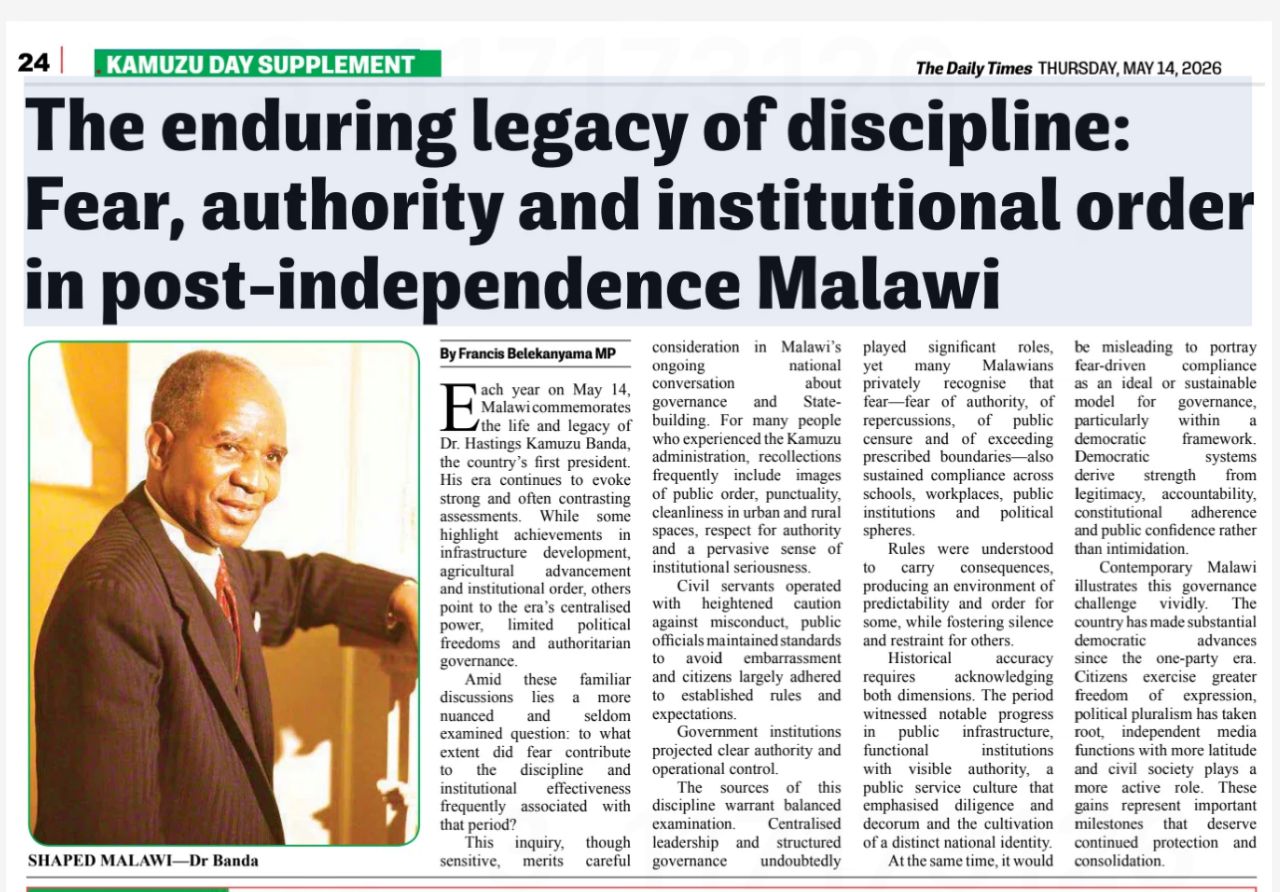
Kamuzu Legacy Article
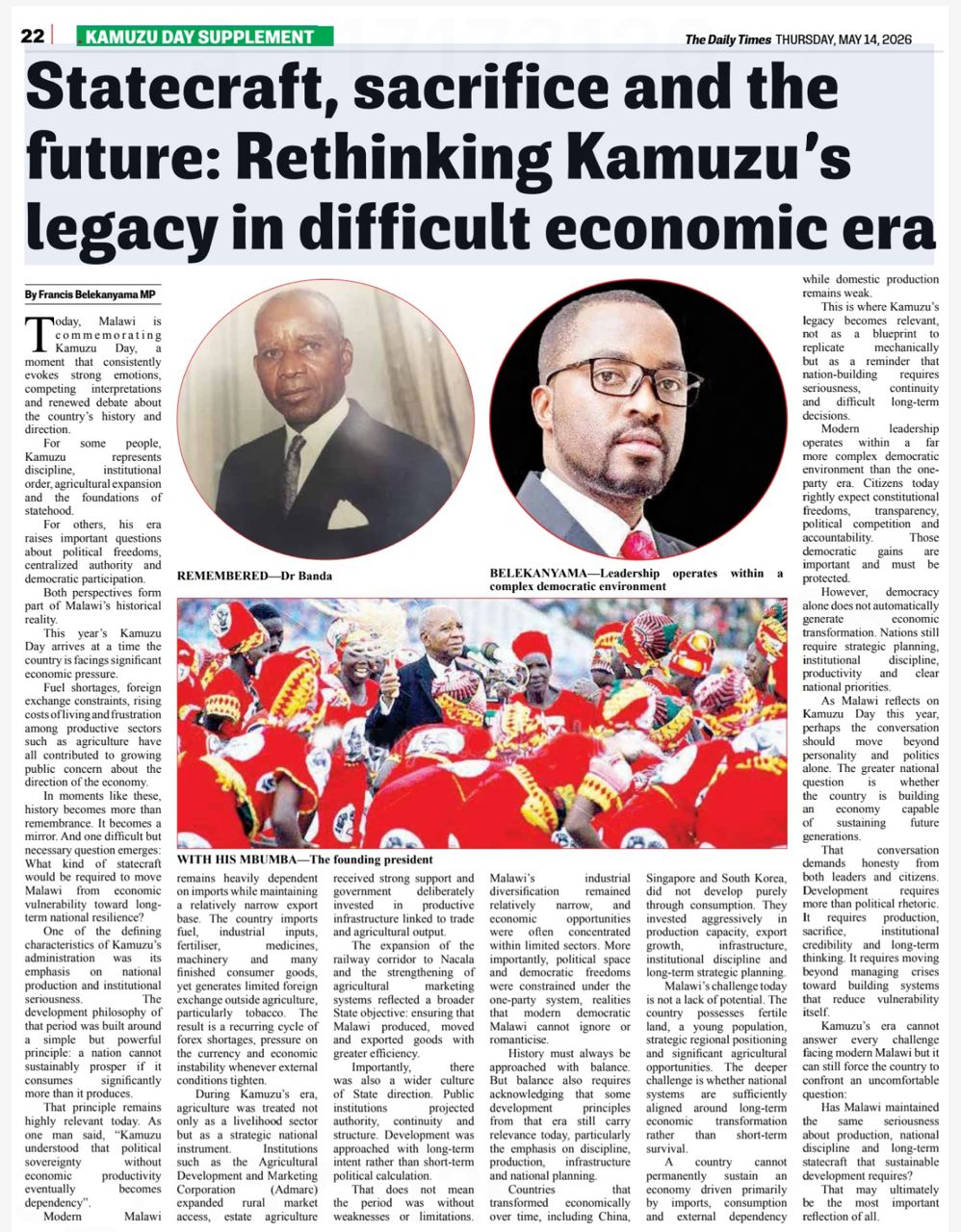
Kamuzu Economic Era Article
Constitutional Order Article
Youth Financing Law Article
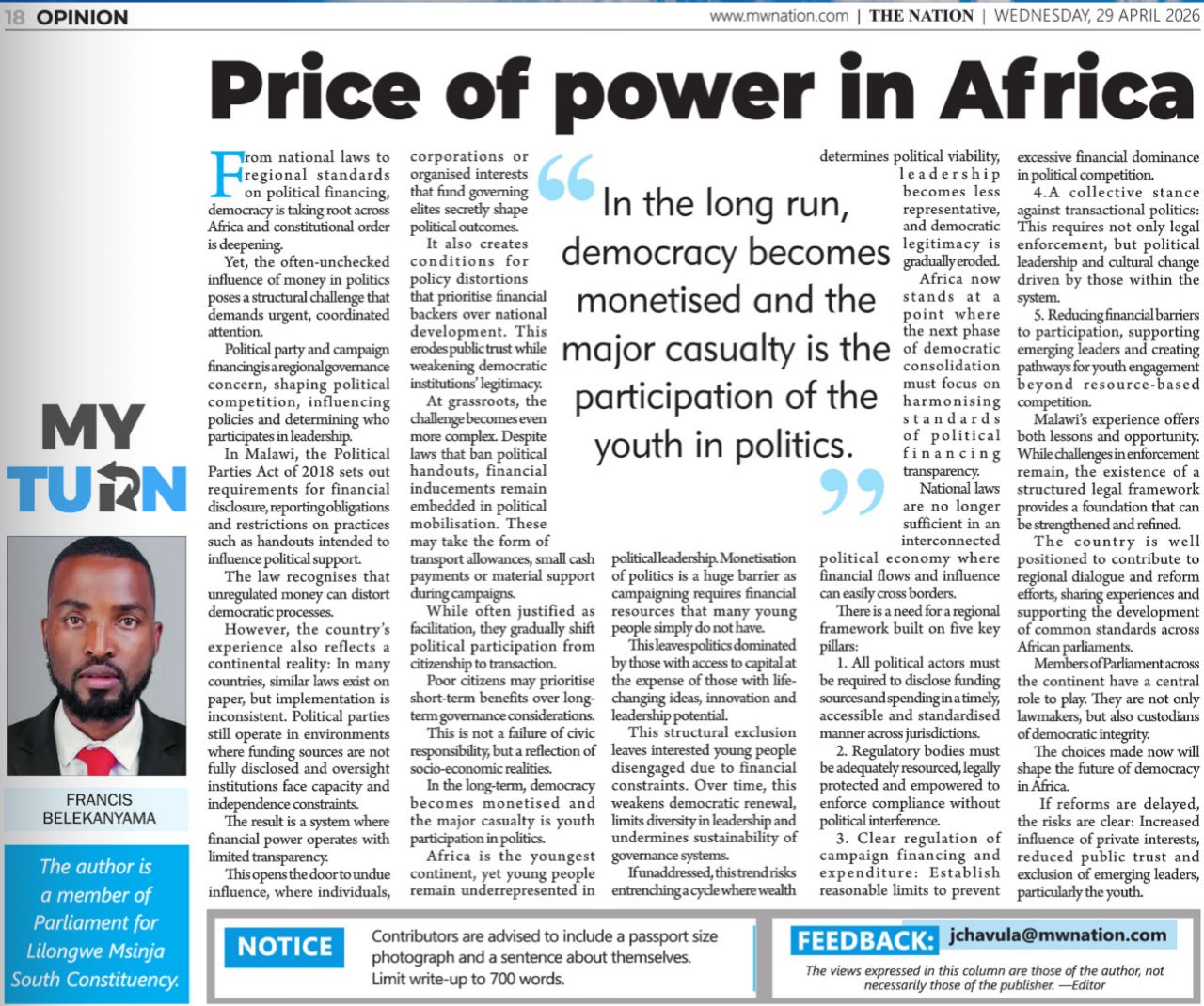
Price of Power in Africa